Tree and Lawn Care Blog for
Practical guides from our crew on tree removal, tree trimming, stump grinding, lawn seeding and landscaping, written for Connecticut yards and seasons.
Our Library
Pick a Guide for Your
-
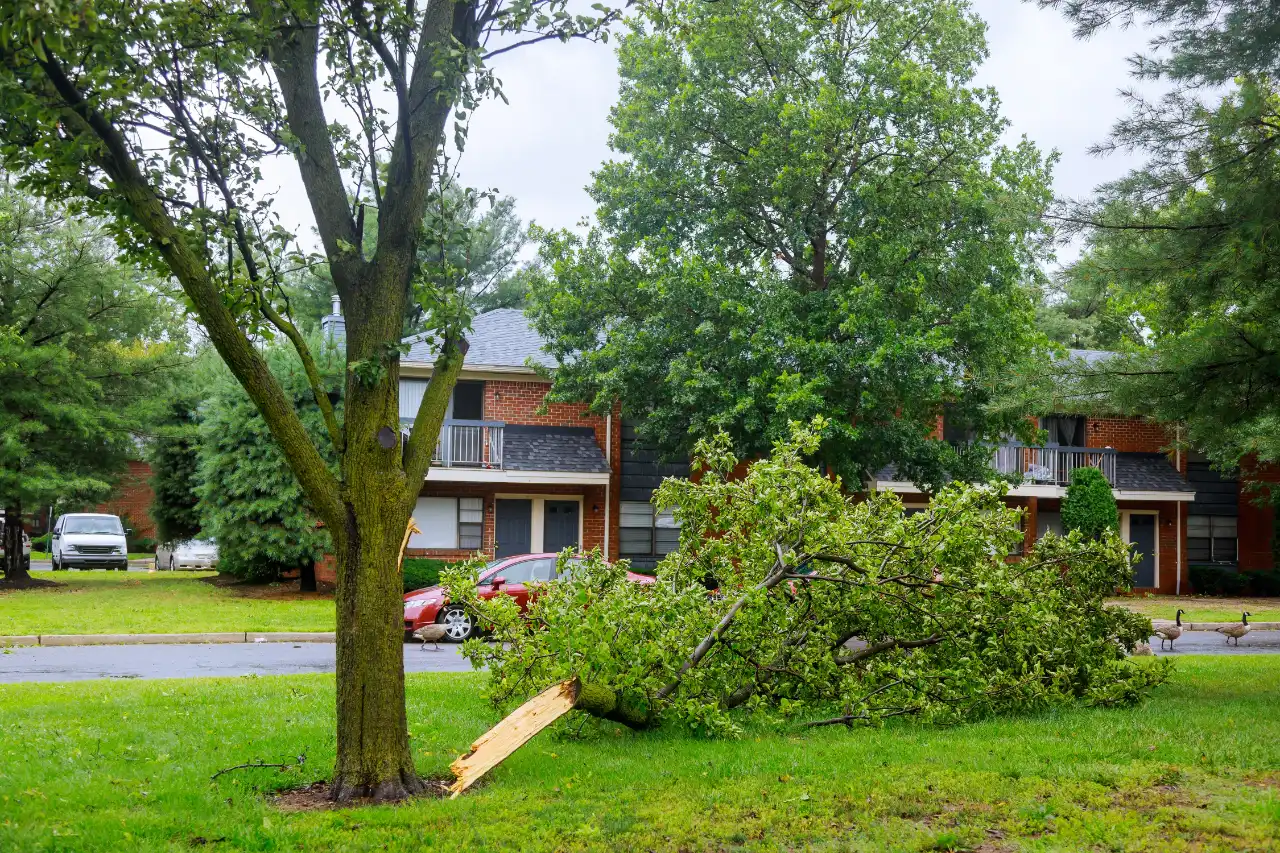 Tree Removal
What Are the Signs a Tree Is Dangerous in Connecticut?
Most homeowners notice the signs a tree is dangerous only after a storm drops a limb on the driveway. The good news is that a failing tree usually gives you warnings months or years ahead. You just need to know where to look.
-
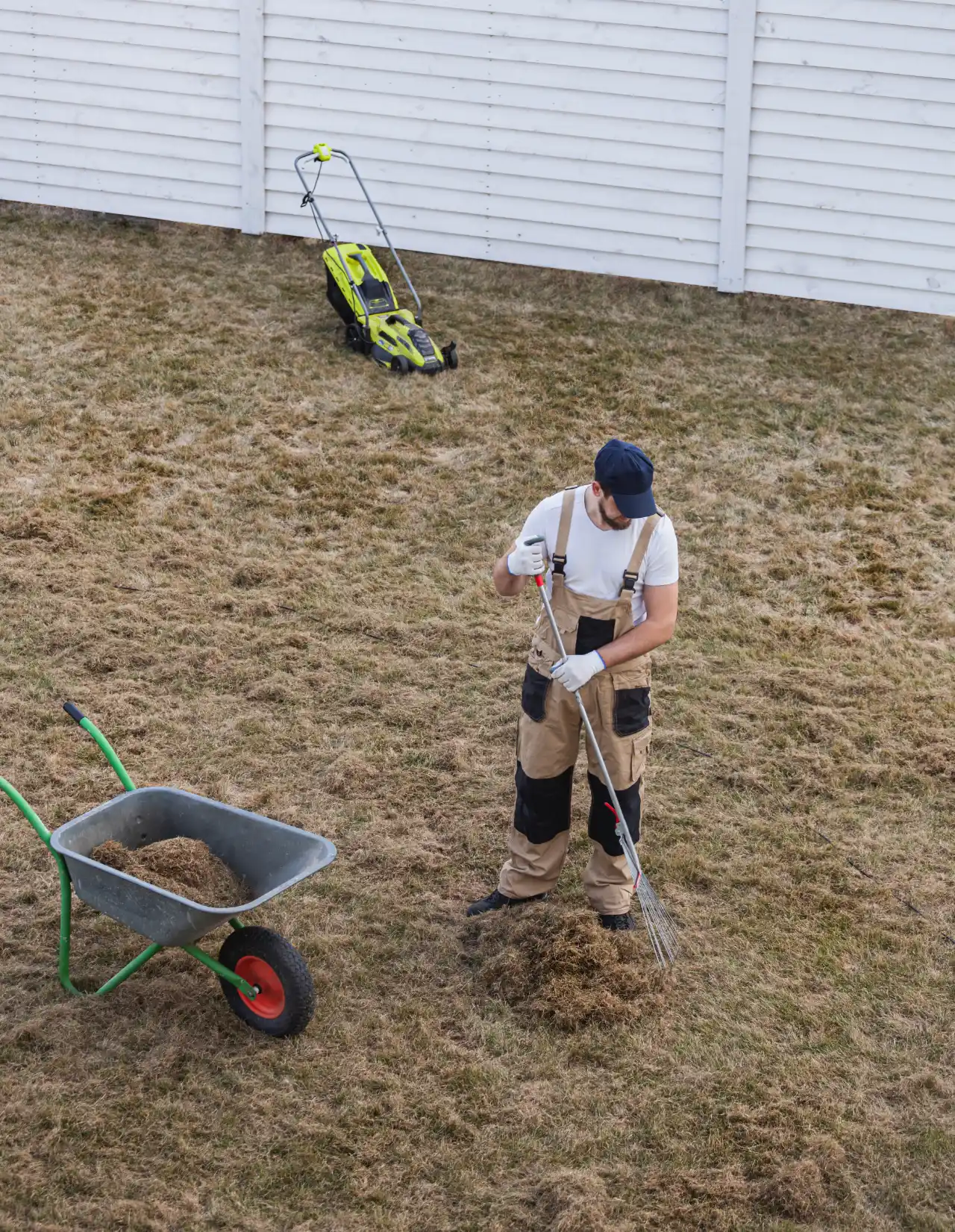 Lawn Seeding
Why Is My Lawn Thin and Patchy in Connecticut?
A thin and patchy lawn is one of the most common complaints we hear from Connecticut homeowners. You water it, you mow it, and bare spots still keep coming back every summer. Throwing more seed at the problem usually doesn't fix it for long.
-
 Tree Trimming
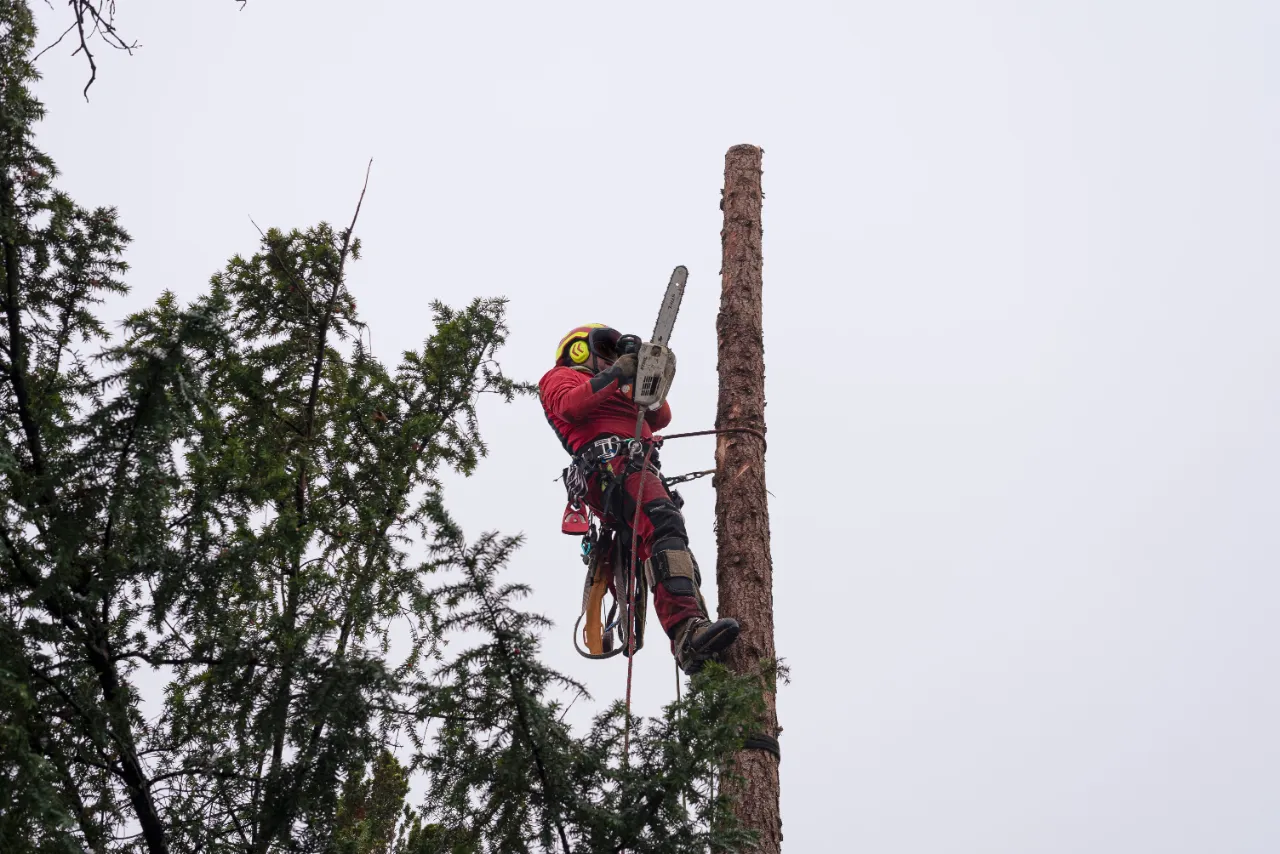
When Is the Best Time to Trim Trees in Connecticut?
For most species, the best time to trim trees in Connecticut is late winter, while the tree is still dormant. Think February through early March, before buds open. Cuts made then heal fast once spring growth starts.
-
 Landscaping
How Often Should You Replace Mulch in Connecticut?
Homeowners ask us all the time how often they should replace mulch in Connecticut. The short answer is a light top-up once a year. A full replacement usually makes sense every two to three years. Mulch type, sun, and rain all change that timing. Beds under big shade trees often last longer than beds in full sun.
-
 Tree Trimming
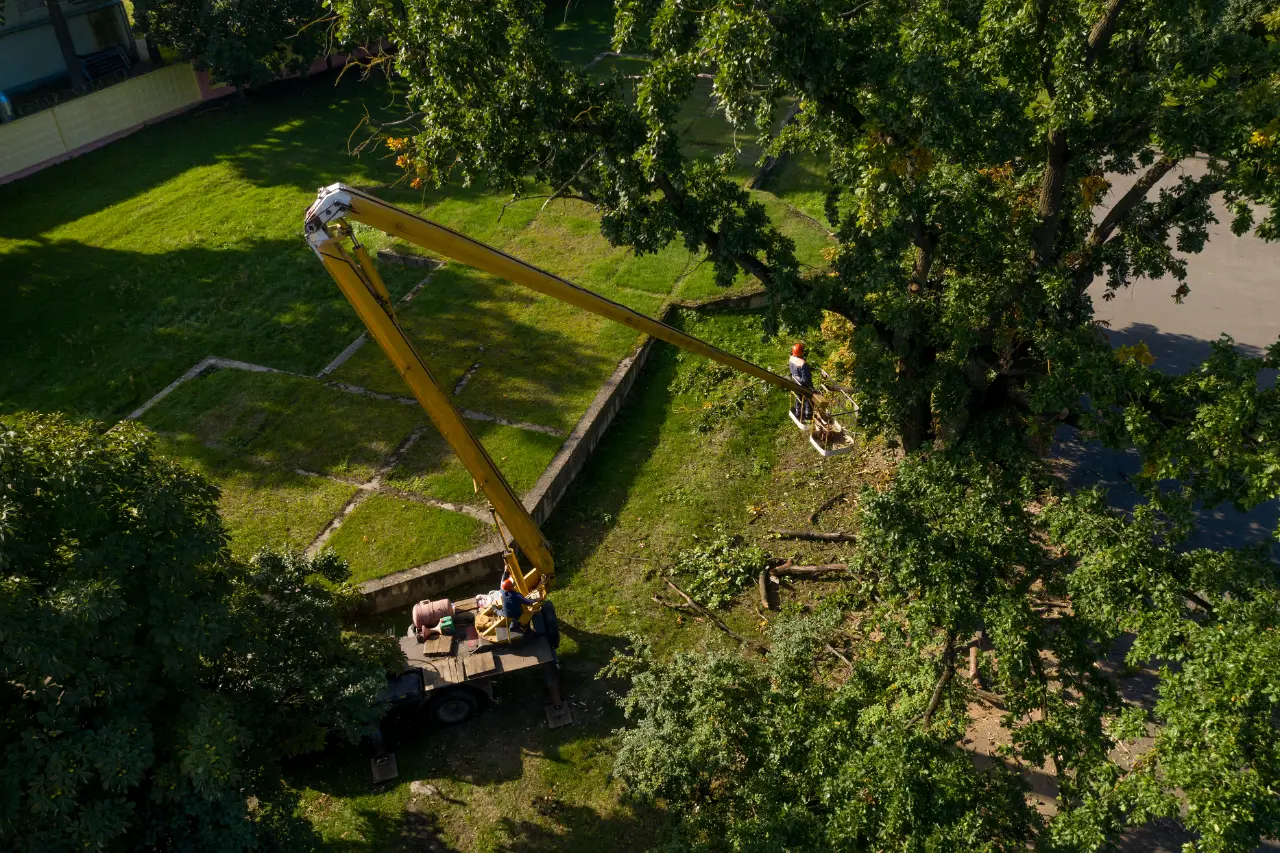
 vs Tree Removal: Which Does Your Tree Need?
Choosing between tree trimming vs tree removal comes down to one question. Can the tree stay healthy and safe with the right cuts? If yes, trimming saves you a tree that shades your home and adds value. It also keeps the yard looking the way you like it.
-
 Stump Grinding
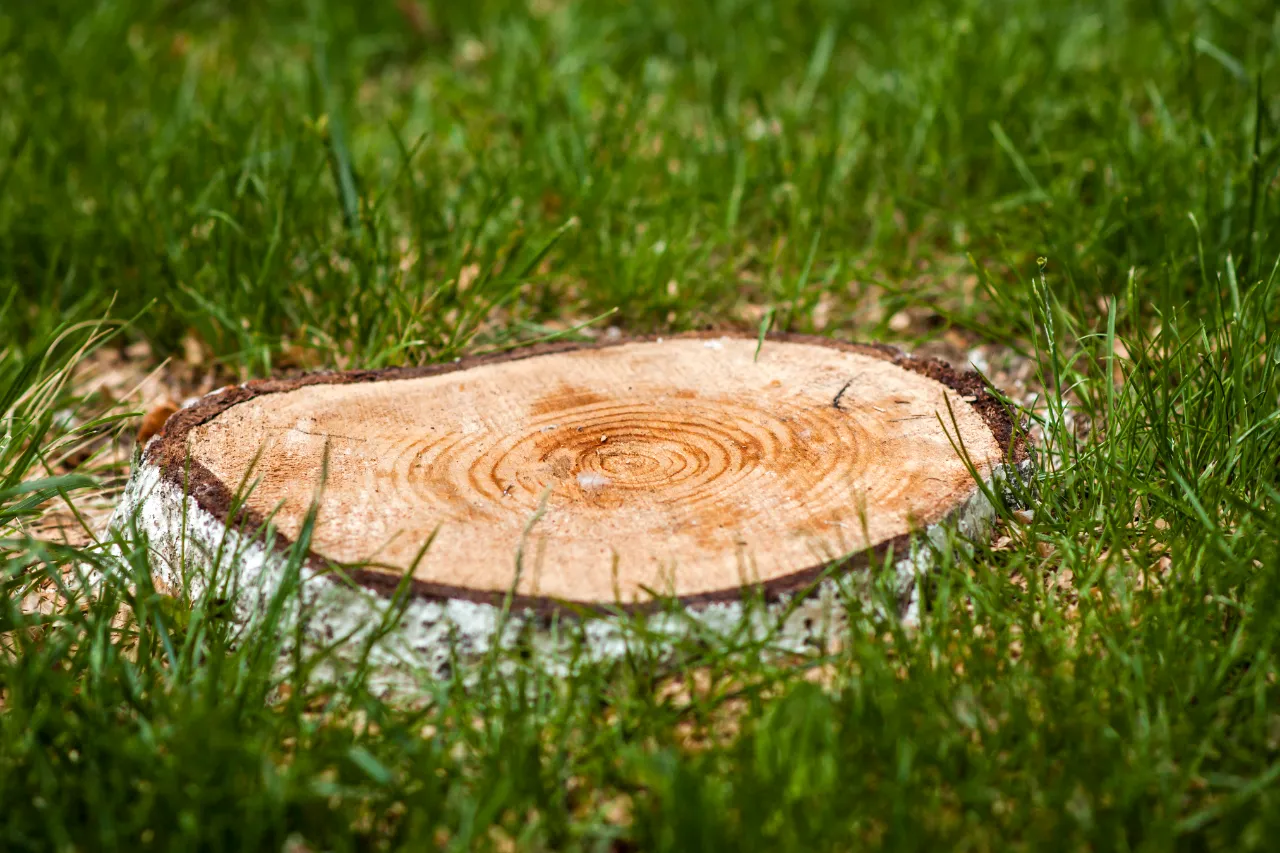
 vs Stump Removal: Which Is Right for Your Yard?
After a tree comes down, the stump is the last piece to deal with. Most homeowners weigh stump grinding vs stump removal without knowing how different they are. One grinds the stump below ground. The other pulls the stump and its main roots out completely. If the tree is still standing, read our guide on tree trimming vs tree removal first.