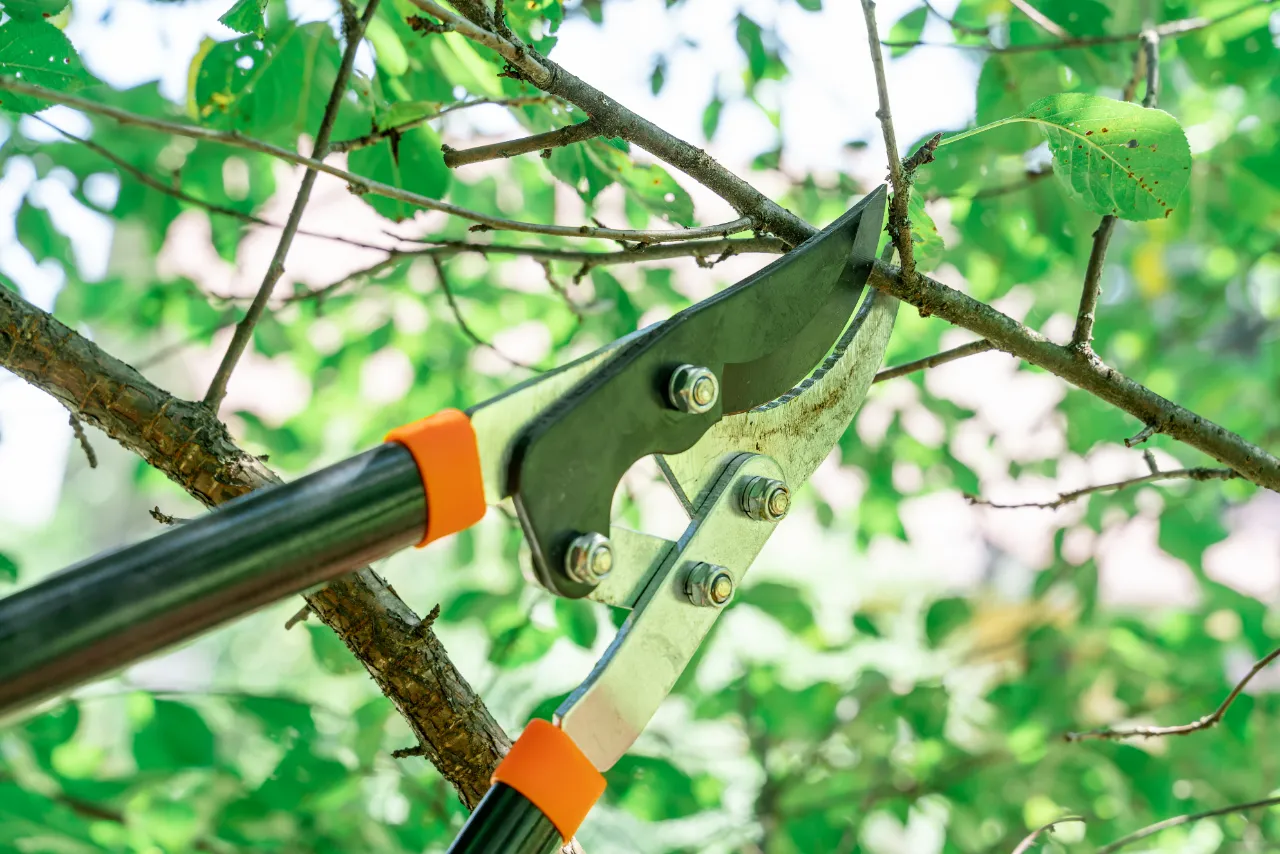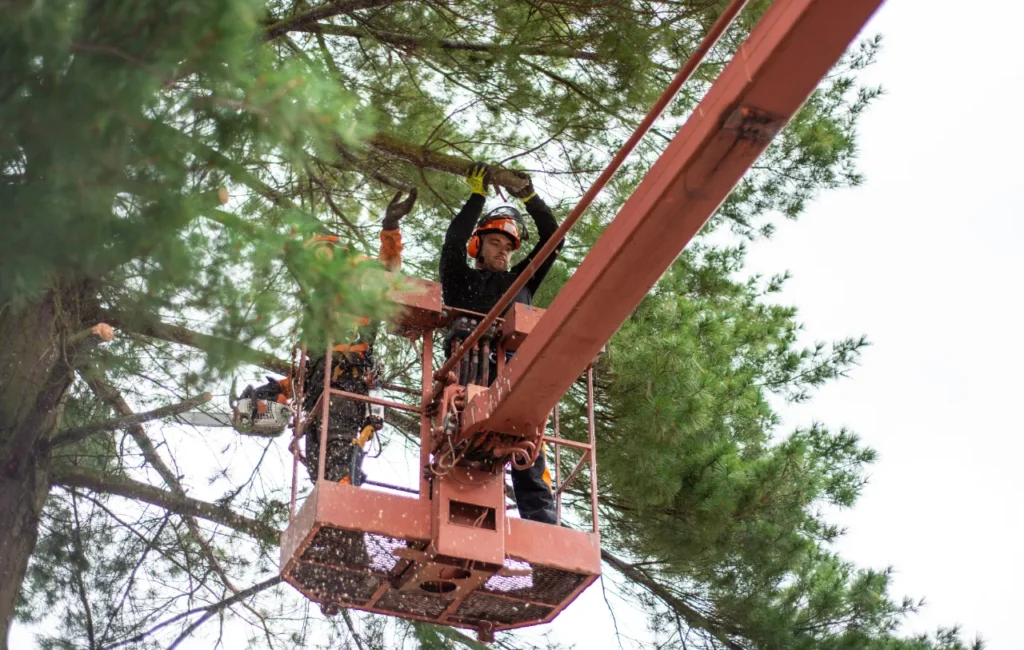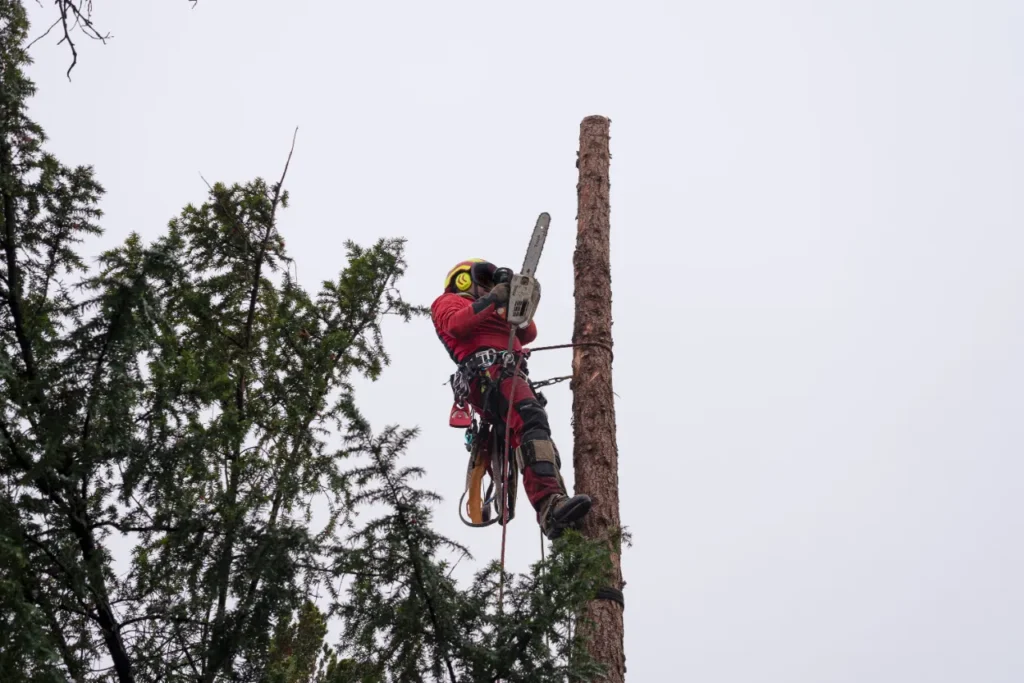
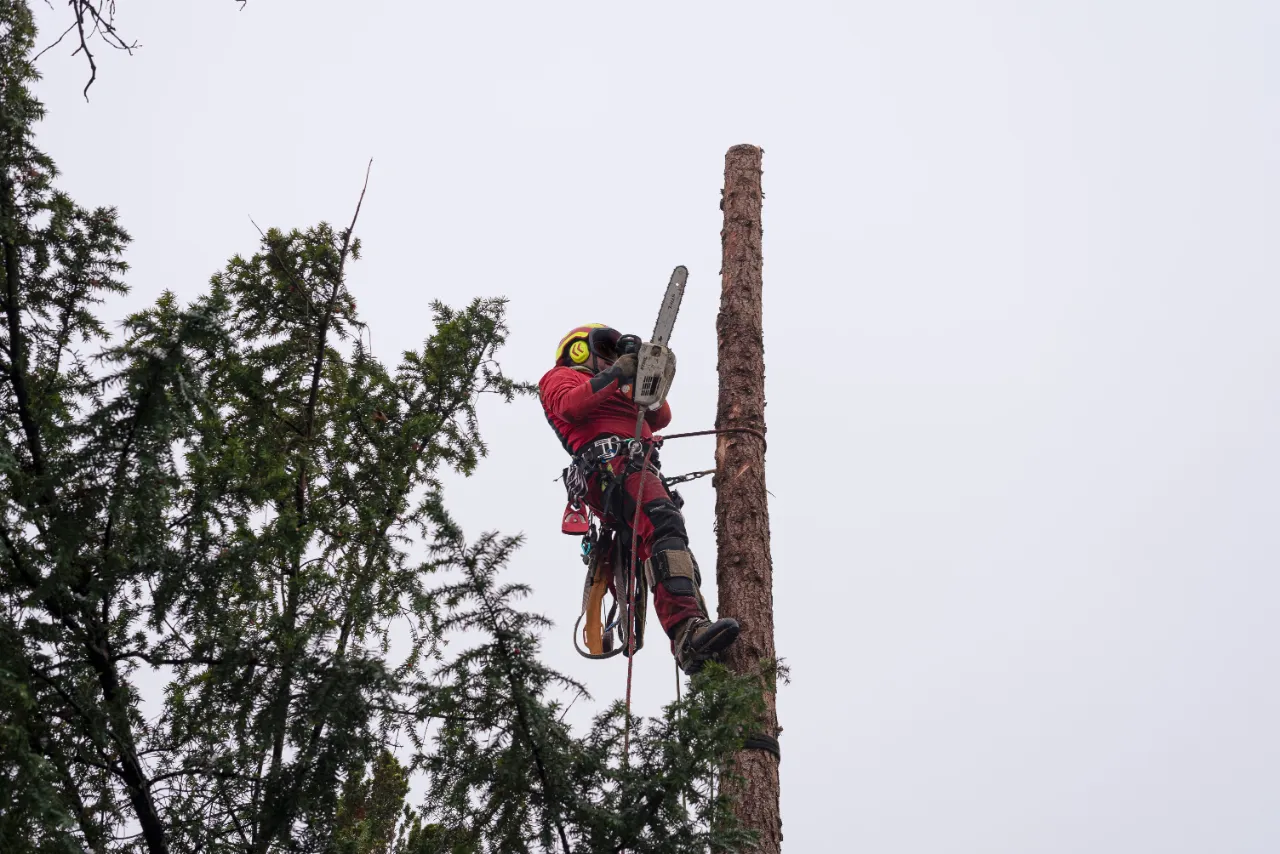
For most species, the best time to trim trees in Connecticut is late winter, while the tree is still dormant. Think February through early March, before buds open. Cuts made then heal fast once spring growth starts.
That said, there’s no single date that fits every tree on your property. Oaks, maples, birches and flowering trees all have their own quirks. Some cuts can wait for the right season, and others shouldn’t wait at all. Knowing which group your trees fall into saves you from costly mistakes.
Weather plays a part here too. Our winters bring heavy wet snow and ice that can snap weak limbs. Pruning ahead of that season lowers the load your trees carry when a Nor’easter rolls through. Below, we answer the questions homeowners ask us most about trimming timing. You’ll see what to do, what to avoid and when to call a crew instead of grabbing a ladder.
Why Late Winter Is the Best Season for Pruning
Dormant pruning has a few real advantages. With the leaves gone, you can see the full branch structure and spot crossing or weak limbs easily.
Most insects and disease spores aren’t active in the cold, so fresh cuts are less likely to get infected. The tree then puts its spring energy into closing those wounds quickly.
Frozen ground helps as well. Equipment does less damage to lawns and beds when the soil is hard. For homeowners, that means less cleanup and less repair work in spring. It’s also easier to schedule because outdoor work is slower in late winter. Fewer leaves also means less debris to haul away.
Trees You Shouldn’t Prune in Spring and Summer
Oaks are the big one. Avoid pruning oaks from April through July in Connecticut. Fresh cuts during that window attract beetles that can spread oak wilt.
Maples and birches bleed sap heavily when cut in late winter. It looks alarming but usually doesn’t hurt the tree. Some homeowners prefer waiting until early summer for these species anyway.
Spring-flowering trees and shrubs like dogwood, cherry and lilac set their buds the year before. Trim them right after they finish blooming. If you cut them in winter, you’ll remove this year’s flowers. A little planning keeps both the tree and the bloom show healthy.
When Trimming Can’t Wait for the Calendar
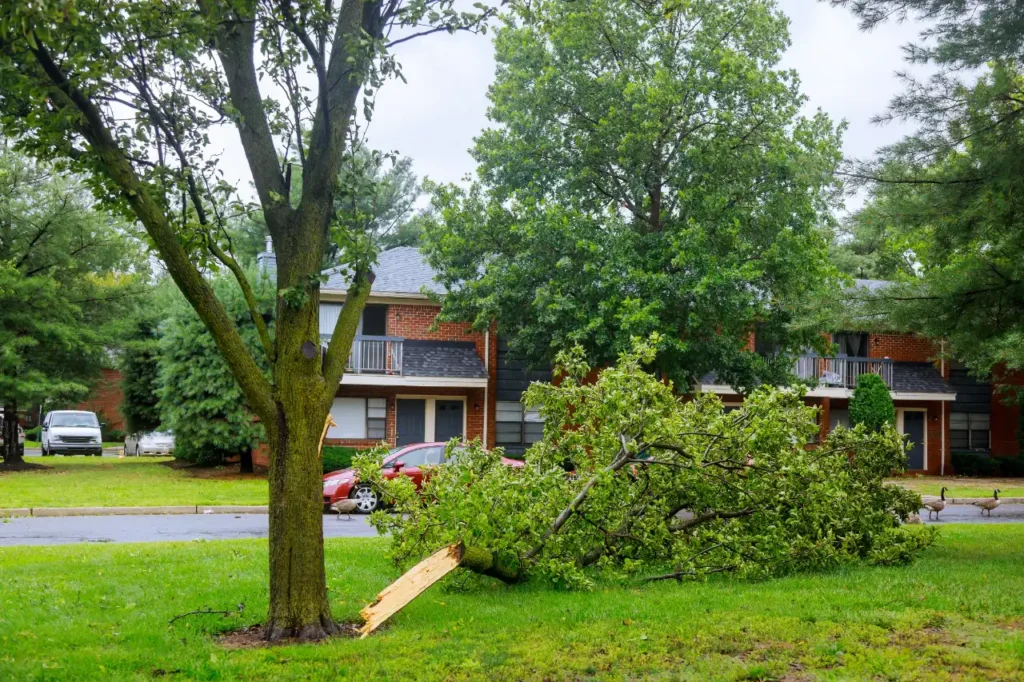
Some problems ignore the seasons. A cracked limb over your roof should come down as soon as possible.
So should a branch broken in a storm.
The same goes for dead wood. Dead branches can be removed any time of year without stressing the tree, because there’s no living tissue to protect.
Clearance work also comes up often. Limbs rubbing the roof, blocking the driveway or crowding the house can be handled any season. Not sure a tree is safe? Our guide to the signs a tree is dangerous covers what to look for. Never work near power lines yourself, and call the utility for those.
How Often Should You Trim Your Trees
Young trees benefit from light structural pruning every two to three years. Early cuts guide strong branch angles and prevent problems later.
Mature shade trees usually need attention every three to five years. That covers deadwood removal, thinning and clearance over the house and driveway.
Over-pruning causes its own trouble, so don’t remove too much of the crown in one visit. Topping a tree is never a good idea, since it leads to weak regrowth and decay. Our tree trimming crew follows proper cuts at the branch collar. If a tree is beyond saving, we’ll talk through tree removal with you instead.