Choosing between tree trimming vs tree removal comes down to one question. Can the tree stay healthy and safe with the right cuts? If yes, trimming saves you a tree that shades your home and adds value. It also keeps the yard looking the way you like it.
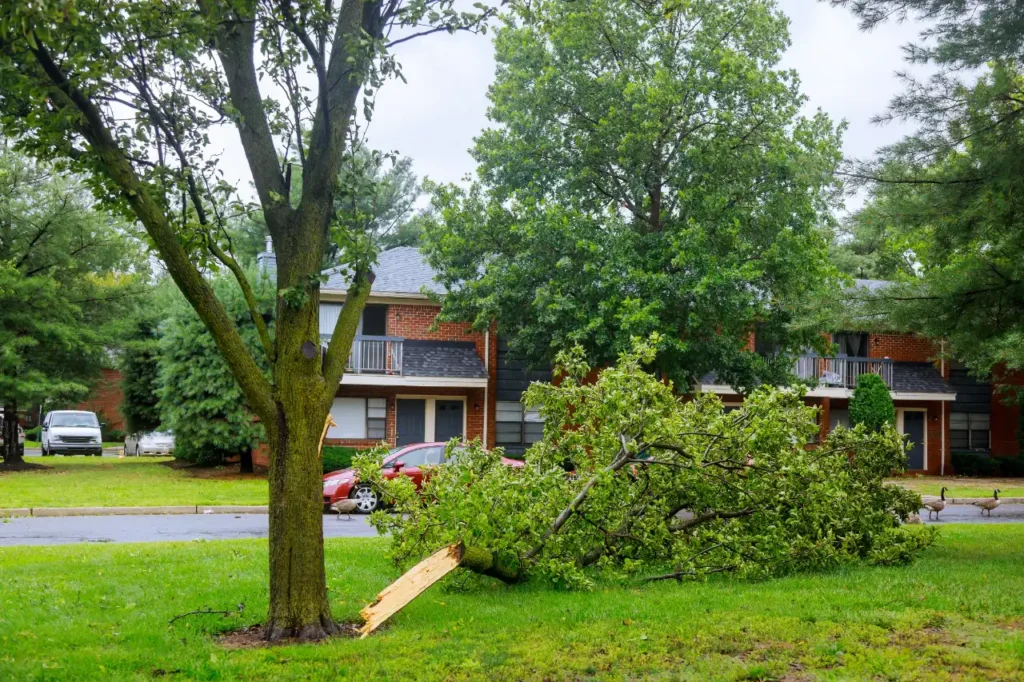
If not, removal protects your house, your driveway, and the people who use your yard. Waiting too long can turn a simple job into a harder one. A tree that fails in a storm rarely falls where you’d like. Knowing the signs early gives you more options and less stress.
In Connecticut, this choice comes up often. Nor’easters, heavy wet snow, and ice load test every limb. Pests and diseases like emerald ash borer and beech leaf disease have weakened many trees. This guide covers the signs that point each way. Read it before you call, and you’ll know what to look for when we visit.
When Trimming Is the Right Call
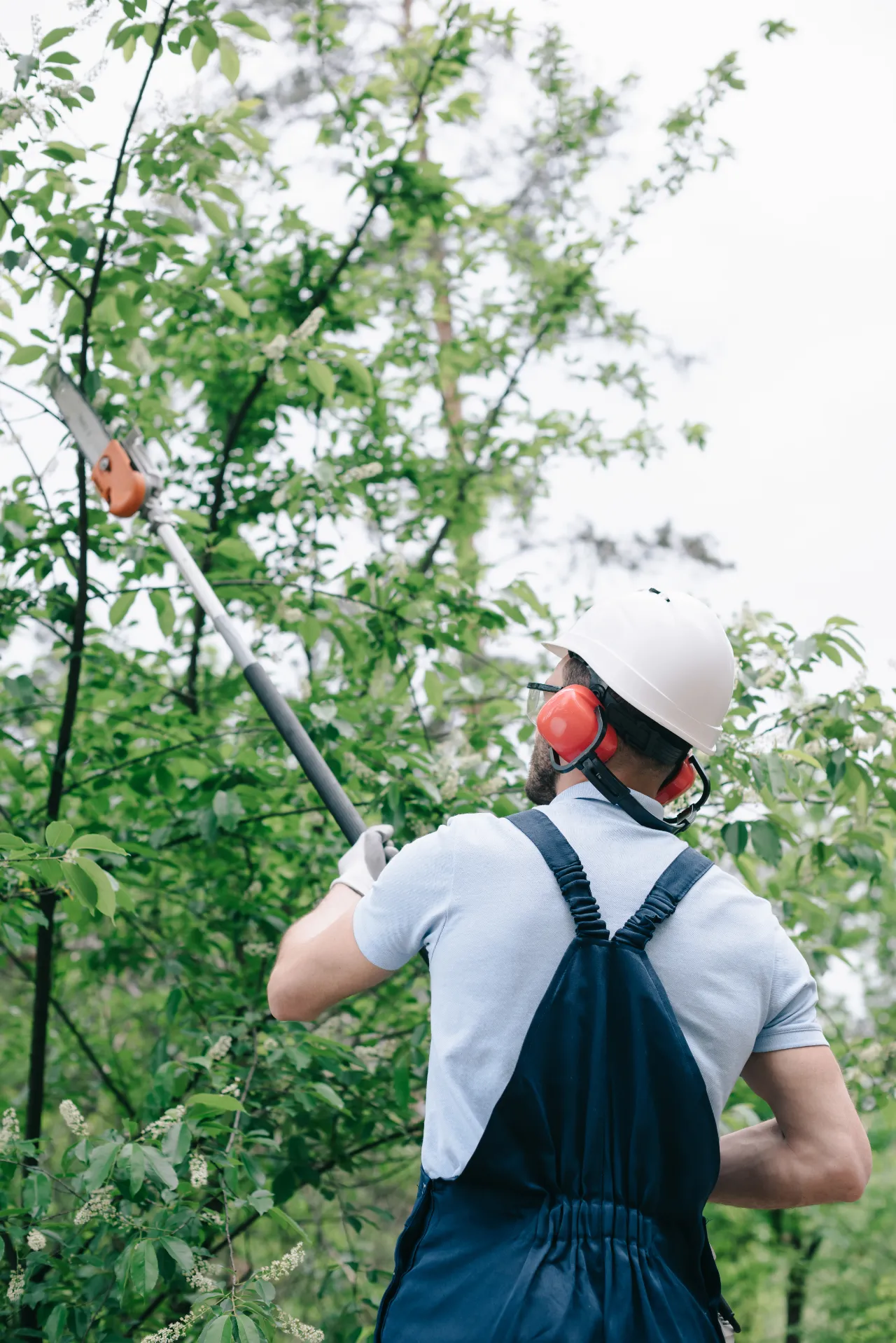
Trimming fits a tree that is mostly sound but has a few problem limbs. Think dead branches, limbs rubbing the roof, or branches hanging over the driveway.
It also helps a healthy tree handle winter. Thinning a dense crown lets wind pass through and reduces the weight that snow and ice can load on. Raising low limbs clears walkways and lets more light reach your lawn. If the trunk is solid and most of the canopy leafs out each spring, trimming is usually enough. Our tree trimming work focuses on cuts that help the tree close wounds and stay strong for years.
When Removal Makes More Sense
Removal is the safer path when the core of the tree is failing. Watch for deep cracks in the trunk, large cavities, or mushrooms growing at the base.
A tree leaning harder after a storm, with soil lifting on one side, is a serious warning. So is a crown where more than half the branches stay bare in summer.
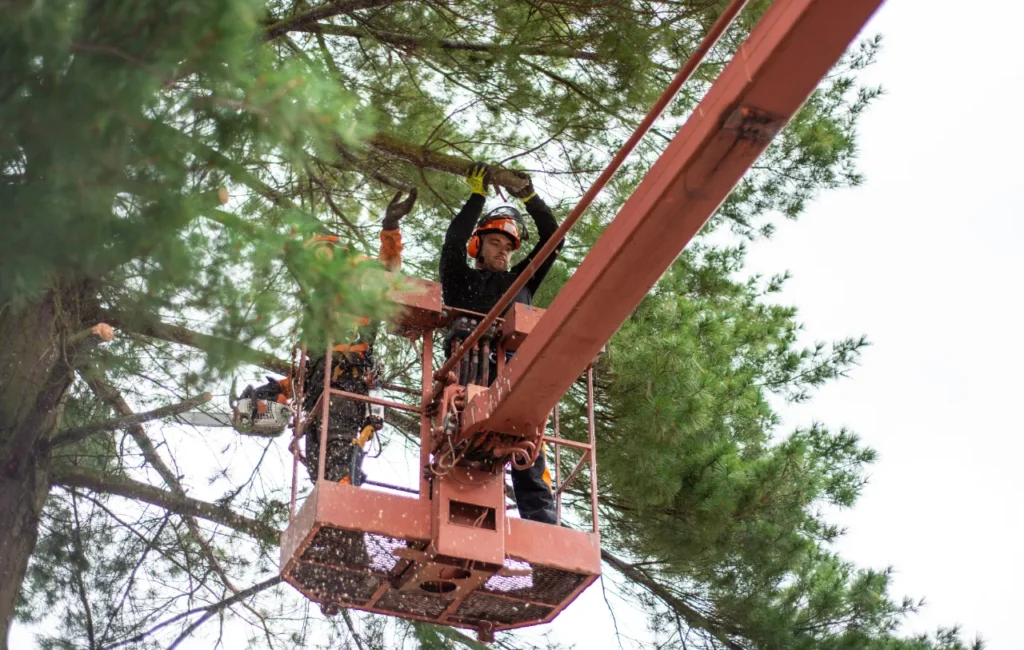
Ash trees hit by emerald ash borer get brittle fast and can drop large limbs without notice. If a dying tree stands within reach of your house, tree removal is often the smarter call. Our post on the signs a tree is dangerous covers more red flags to check.
Questions to Ask Before You Decide
Start with the target. What would the tree hit if it failed? A tree over open lawn gives you more time to decide than one above a bedroom.
Next, look at the species and its health history. Oaks weakened by years of spongy moth damage, or beeches with striped and curled leaves, may decline even after trimming.
Finally, think about cost over time. Trimming a declining tree every year can add up, and the risk still grows. Sometimes one removal ends the worry. A walkthrough on site is the best way to weigh these factors with real eyes on the tree.
Timing and Rules in Connecticut
Late winter is a strong window for most trimming, while trees are dormant. Skip pruning oaks from April through July, when fresh cuts can draw beetles that spread oak wilt.
Removals can happen most of the year, though frozen ground in winter often protects lawns from equipment ruts. If a tree sits near the road, check with your town tree warden first.
Trees near wetlands or streams may fall under your local inland wetlands commission. Rules vary by town, so it’s worth a call before any work starts. We’ll help you sort out which questions to ask. Getting answers early keeps the project on schedule.