Opens in a new tab

Stump Grinding vs Stump Removal: Which Is Right for Your Yard?

Stump grinding vs stump removal: compare cleanup, time, and yard impact so you can choose the right option for your Connecticut property. Free estimates.

  • Decision Guides
  • Stump Grinding
  • 3 min read
  • September 8, 2026

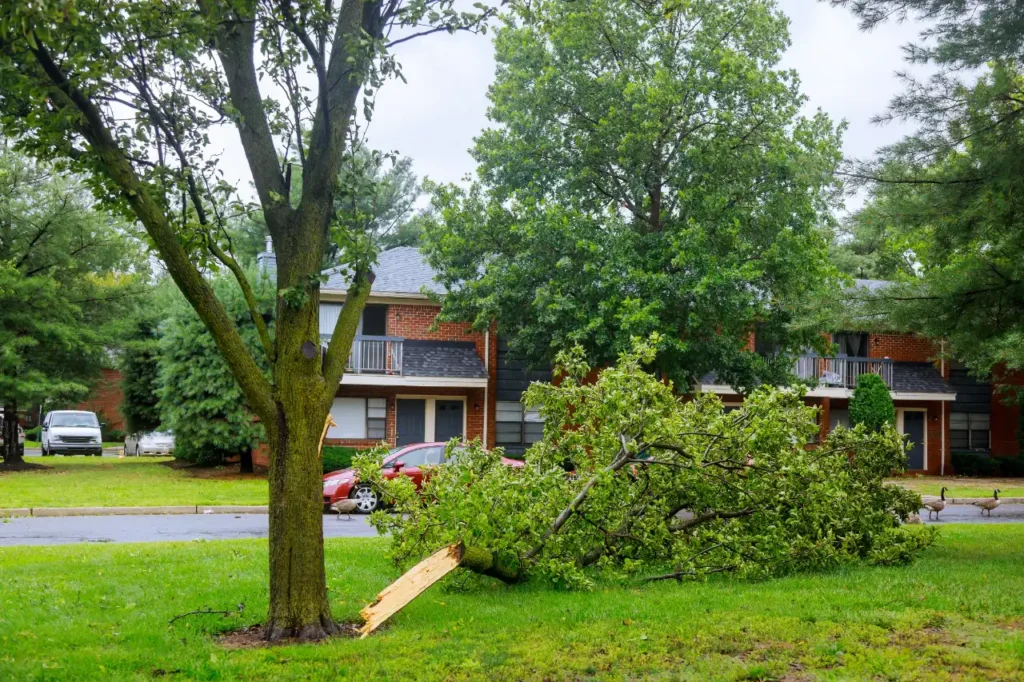
After a tree comes down, the stump is the last piece to deal with. Most homeowners weigh stump grinding vs stump removal without knowing how different they are. One grinds the stump below ground. The other pulls the stump and its main roots out completely. If the tree is still standing, read our guide on tree trimming vs tree removal first.

Both get rid of the eyesore and the tripping hazard. They also stop the stump from sprouting new shoots or drawing insects. The difference is how much digging happens and what you plan to do with that spot next.

In Connecticut, rocky glacial soil and ledge can make full removal harder than people expect. Old roots also tangle around stone walls, patios, and buried lines. This guide explains how each method works and when each one makes sense. That way you can plan the space with fewer surprises and a clear idea of the work involved.

How Stump Grinding Works

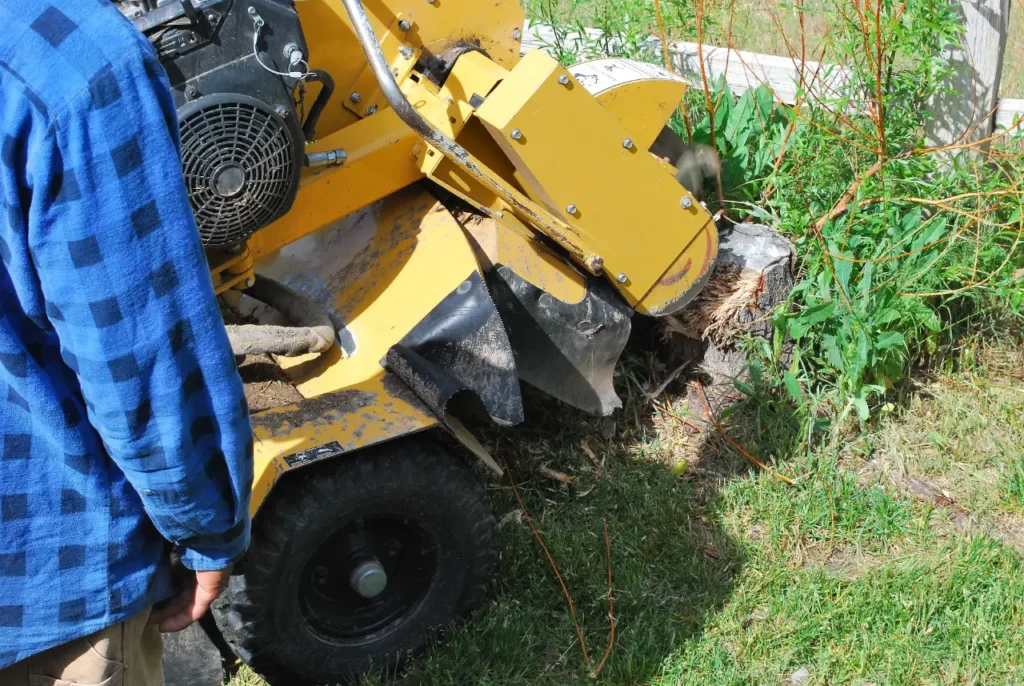
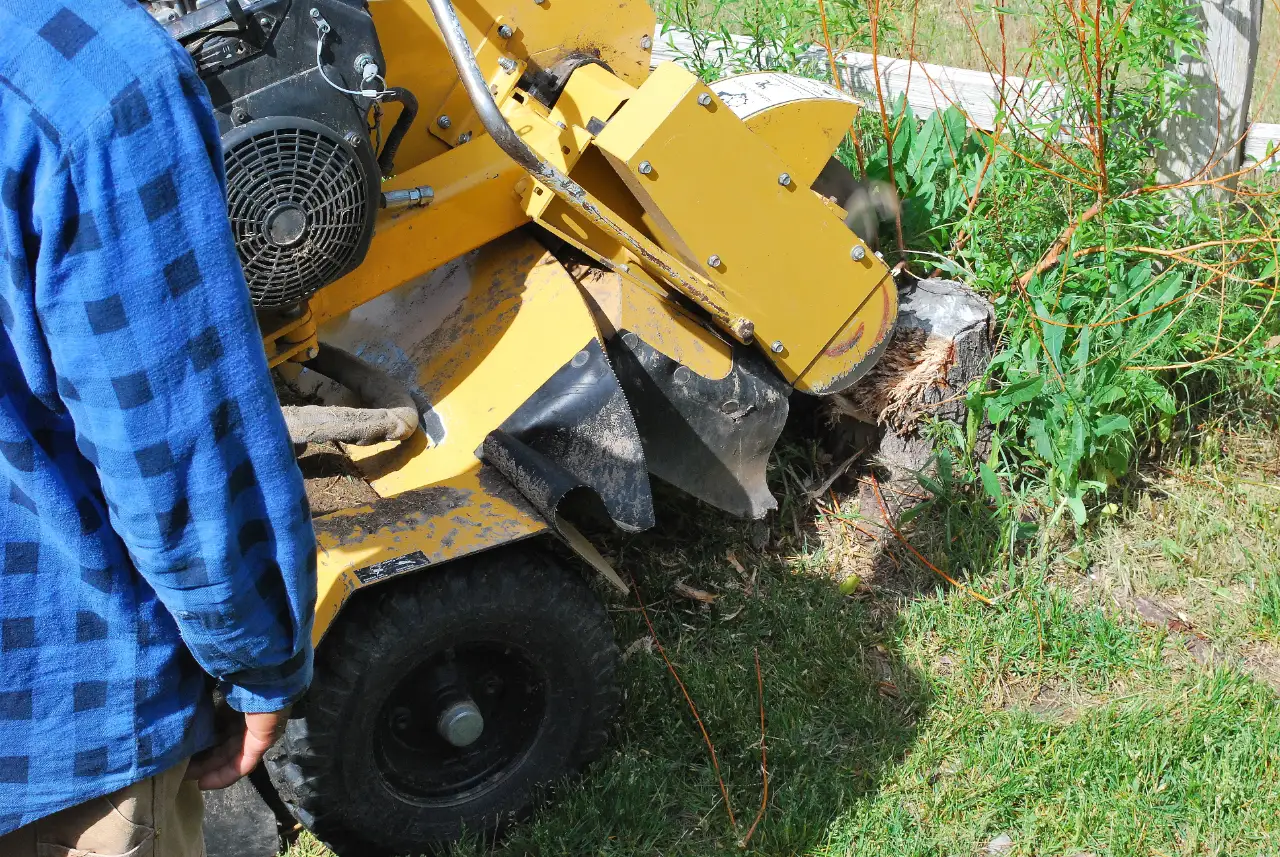
A stump grinder uses a spinning wheel with carbide teeth. It chews the stump into wood chips, usually several inches below the soil line.

The main roots stay in the ground and break down slowly over the following years. You’re left with a pile of chips and a shallow hole. Many homeowners use the chips as mulch or haul them off.

Grinding is faster and less disruptive to your lawn. It works well when you just want the stump gone and plan to plant grass in that spot. Our stump grinding and removal service handles the cleanup so the area is ready for topsoil and seed.

How Full Stump Removal Works

Full removal digs out the stump and its larger roots. It takes heavier equipment, more time, and leaves a much bigger hole to fill.

This option makes sense when you plan to build in that spot. A new patio, shed, addition, or driveway needs solid ground without decaying wood underneath. Rotting roots can leave soft spots that settle later.

Removal also helps if you want to plant a new tree in the same spot. Grinding leaves chips and roots that can crowd young roots. In rocky Connecticut soil, though, expect slower digging and more stone pulled up with the stump.
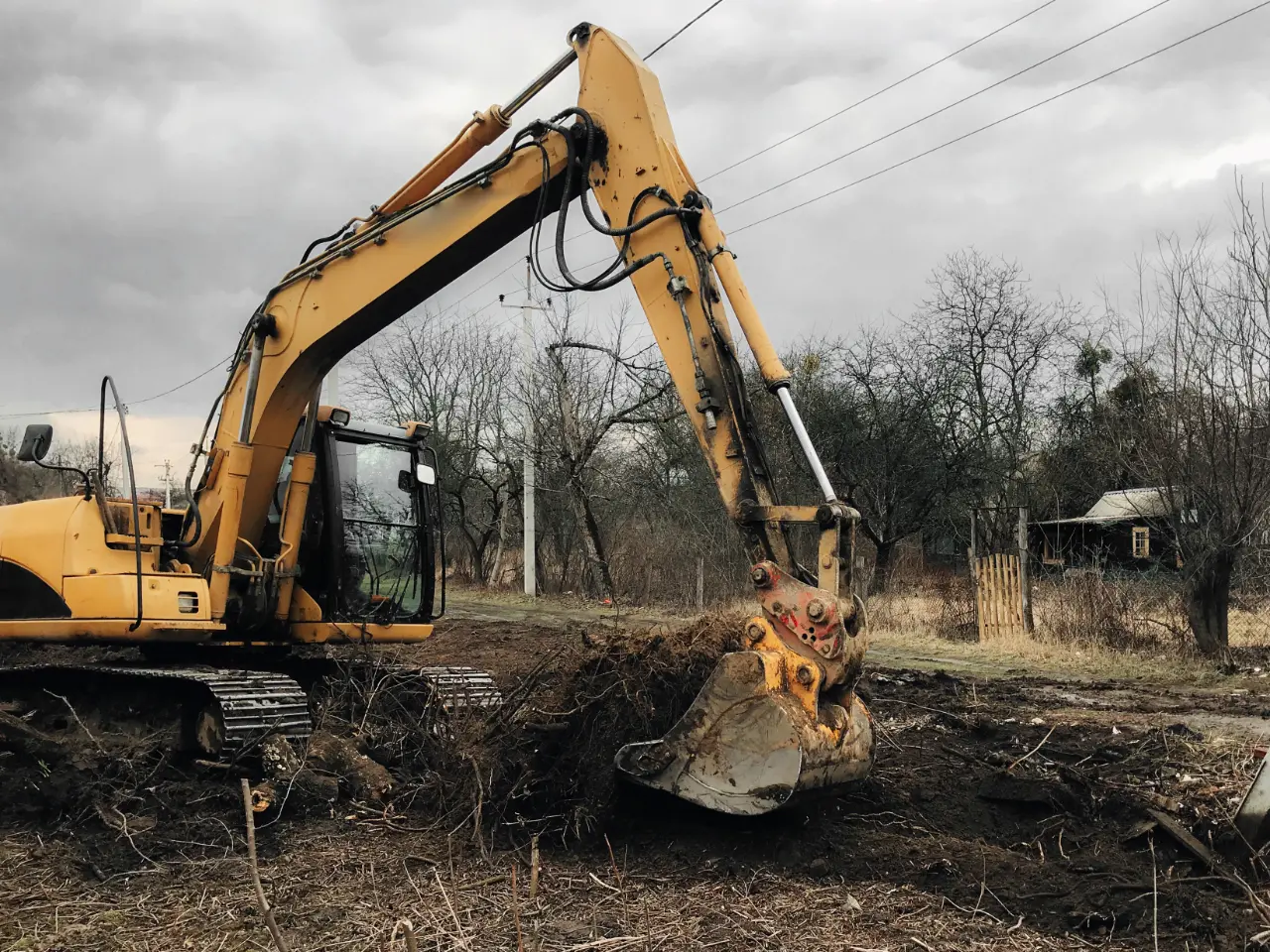
Hole left after full stump removal in rocky Connecticut soil

Which Option Fits Your Plans

Choose grinding if the area will be lawn, a garden bed, or open yard. It’s the most common choice for residential stumps, and it keeps the yard tidy with less disturbance.

Choose full removal if you plan to build, pave, or replant a tree in that exact spot. It’s more work up front, but it avoids settling problems later.

Think about nearby features too. Stumps close to foundations, stone walls, or septic systems call for extra care. Root pulling near those features can cause damage, so grinding is often the gentler choice there. Ask us about tree removal and stump work together to save a second visit.

What to Do Before and After the Job

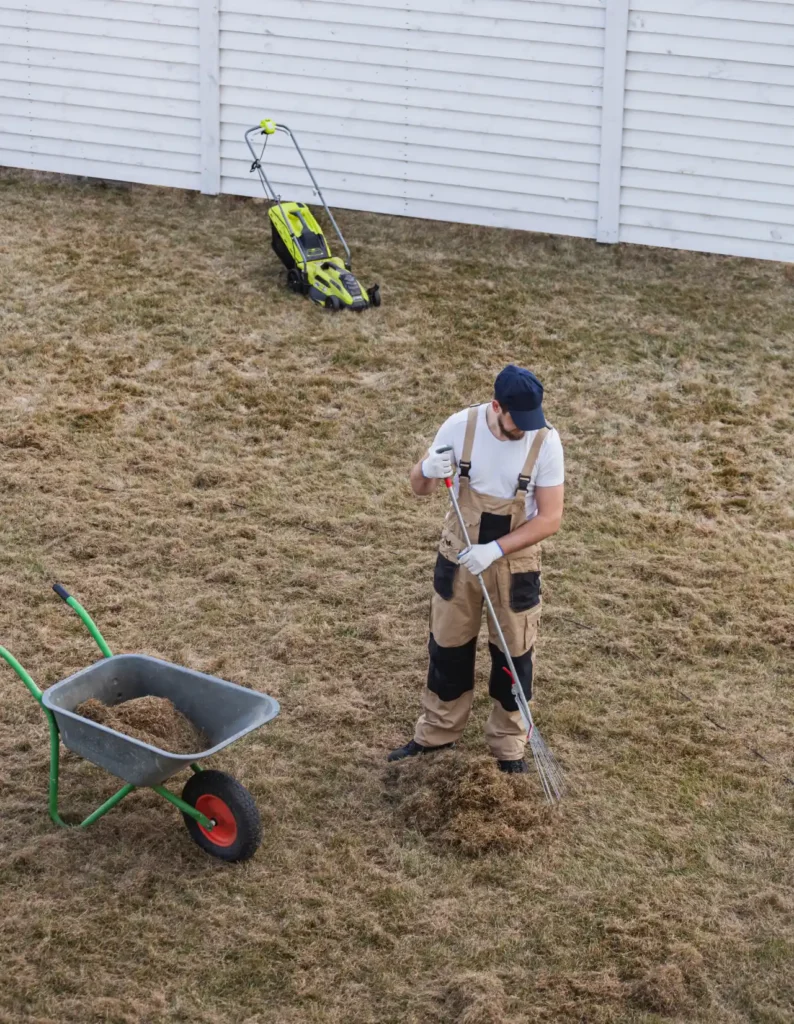
Before any grinding or digging, call 811 for Call Before You Dig. Utility crews will mark buried gas, electric, and cable lines near the stump. It’s free, and it keeps everyone safe. Allow a few business days for marking. After grinding, rake out most of the chips and fill the hole with screened topsoil. Expect the soil to sink a bit as roots decay, so plan to add more after a few months.

Seeding the spot works best in late summer or early fall in Connecticut. Want the patch to match the rest of the yard? Our lawn seeding service can take it from there.
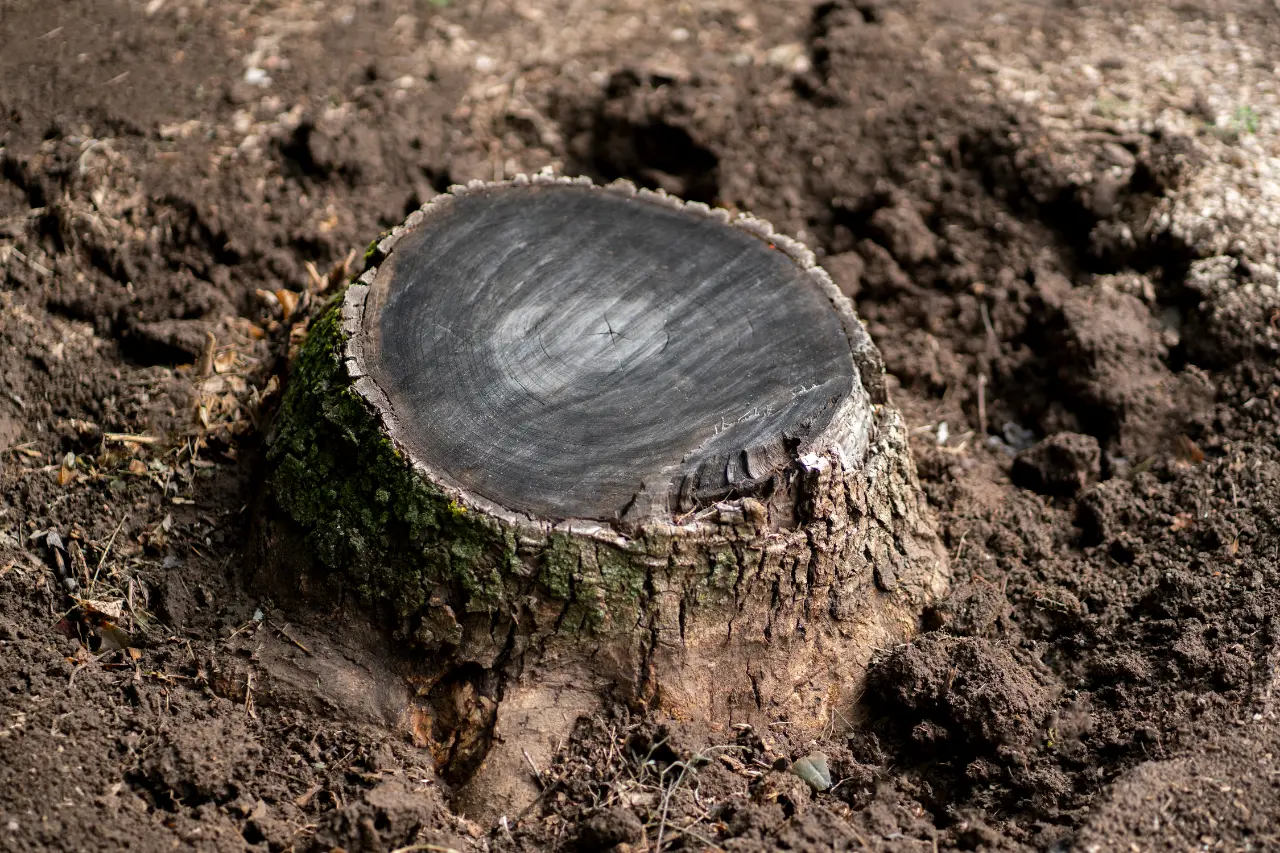
Ground stump area filled with topsoil and ready for seed
  • 15 Years of Experience
  • Clear Plan Before Work Starts
  • One Crew, Four Services
  • Local Tree Knowledge
  • Healthy Trees & Lawns
  • Free Estimates
  • Tree Removal
  • Tree Trimming
  • Stump Grinding & Removal
  • Lawn Seeding
WR Landscaping Blog

Browse Our Latest Articles

  • Fresh hardwood mulch in a garden bed at a Connecticut home Homeowner FAQs

    Landscaping 3 min read

    How Often Should You Replace Mulch in Connecticut?

    Homeowners ask us all the time how often they should replace mulch in Connecticut. The short answer is a light top-up once a year. A full replacement usually makes sense every two to three years. Mulch type, sun, and rain all change that timing. Beds under big shade trees often last longer than beds in full sun.

  • Why Is My Lawn Thin and Patchy, and How Do I Fix It | Tree Work Services Common Problems

    Lawn Seeding 3 min read

    Why Is My Lawn Thin and Patchy in Connecticut?

    A thin and patchy lawn is one of the most common complaints we hear from Connecticut homeowners. You water it, you mow it, and bare spots still keep coming back every summer. Throwing more seed at the problem usually doesn't fix it for long.

  • How Do You Know If a Tree Needs to Be Removed | Tree Work Services Common Problems

    Tree Removal 3 min read

    What Are the Signs a Tree Is Dangerous in Connecticut?

    Most homeowners notice the signs a tree is dangerous only after a storm drops a limb on the driveway. The good news is that a failing tree usually gives you warnings months or years ahead. You just need to know where to look.

  • Stump Grinding vs Stump Removal: Which One Does Your Yard Need | Tree Work Services Decision Guides

    Stump Grinding 3 min read

    Stump Grinding vs Stump Removal: Which Is Right for Your Yard?

    After a tree comes down, the stump is the last piece to deal with. Most homeowners weigh stump grinding vs stump removal without knowing how different they are. One grinds the stump below ground. The other pulls the stump and its main roots out completely. If the tree is still standing, read our guide on tree trimming vs tree removal first.

  • Bare tree branches in late winter, the best time to trim trees in Connecticut Homeowner FAQs

    Tree Trimming 3 min read

    When Is the Best Time to Trim Trees in Connecticut?

    For most species, the best time to trim trees in Connecticut is late winter, while the tree is still dormant. Think February through early March, before buds open. Cuts made then heal fast once spring growth starts.

Quick Answers

Frequently Asked Questions

Most grinding goes several inches below the soil line, which is enough for grass or a garden bed. If you need it deeper for a project, mention it during your free estimate so we can plan for it.

Some species, like maples and cherries, can push up sprouts from leftover roots for a season or two. Cut or mow the shoots as they appear. Over time the roots lose energy and decay.

It depends on the tree species and soil moisture. Large roots can take several years to fully decay in the ground. Topsoil may settle during that time, so top it off as needed.

You can, but it's better to plant a few feet away from the old spot. Leftover chips and roots compete with new roots. If you want the exact same spot, full stump removal works better.

It can be. Rocky glacial soil and ledge make digging slower, and old roots often wrap around stones. That's one reason many Connecticut homeowners choose stump grinding unless they plan to build on the spot.