
Homeowners ask us all the time how often they should replace mulch in Connecticut. The short answer is a light top-up once a year. A full replacement usually makes sense every two to three years. Mulch type, sun, and rain all change that timing. Beds under big shade trees often last longer than beds in full sun.
Mulch does real work in your yard. It holds moisture during dry August weeks and keeps soil temperatures steady. It slows weeds and protects roots through our freeze and thaw cycles. Once it breaks down, it stops doing those jobs well. Thin, faded mulch also makes a well kept yard look tired.
This guide covers how to tell when your mulch is spent and how deep to spread it. It also covers when to schedule the job and which mistakes hurt trees and shrubs. Use it to plan your beds before the next season starts, or hand the work to us.
Signs Your Mulch Needs a Refresh
Look at the color first. Shredded hardwood mulch fades to gray within one season in full sun. Faded mulch still works, but it often means the top layer is breaking down fast.
Next, check the depth. Push a finger into the bed near a shrub. If you hit bare soil in under an inch, the layer is too thin to block weeds or hold moisture.
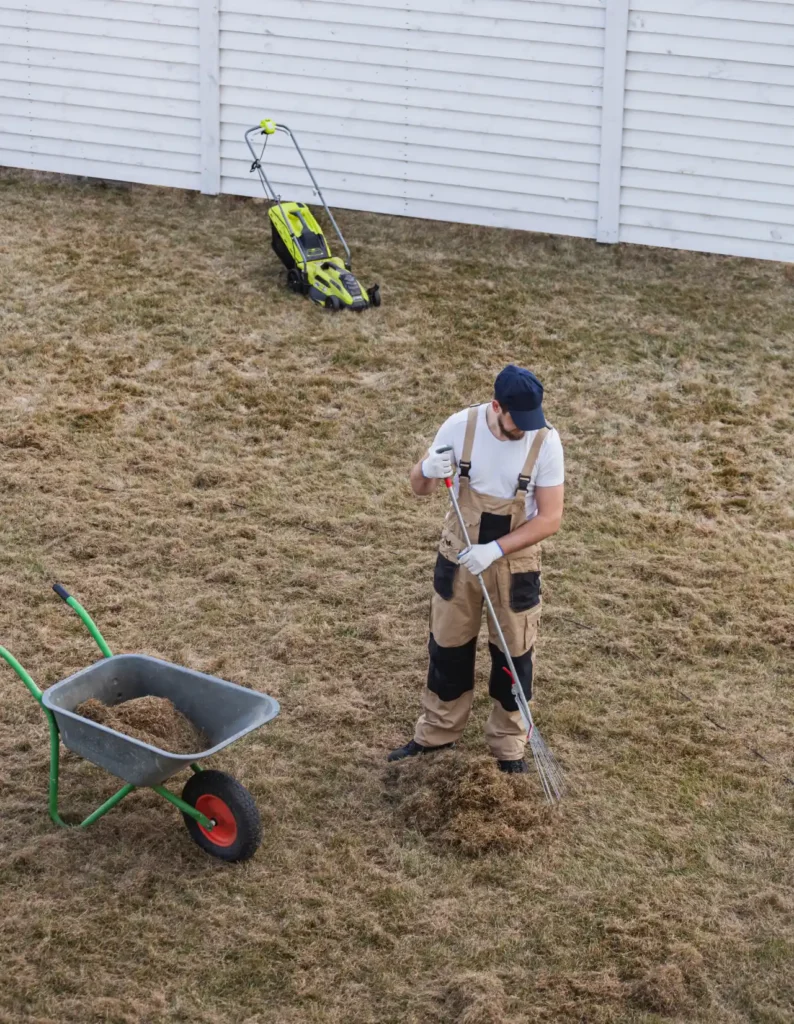
Other signs include weeds pushing through, matted crusts that shed water, and patches of mushrooms. Crusted mulch is common after a wet spring. Break it up with a rake before you add anything new. Mushrooms are harmless, but they show the layer is staying wet.
Top Up Yearly, Replace Every Few Years
For most Connecticut yards, a yearly top-up of about one inch keeps beds in good shape. Spread it over the old layer after a light raking. This keeps your total depth where it belongs.
Full replacement comes later. After two or three years, the bottom layer has mostly turned into soil. That’s good for your beds. The trouble starts when old layers keep piling up too deep.
Stone and rubber mulch are different. They don’t break down, so you rarely replace them. They also don’t feed the soil, and stone holds summer heat right against plant roots. Most homeowners here stick with wood for planting beds.
How Deep to Spread Mulch and Where to Stop
Keep the total layer at 2 to 3 inches. Less than that lets weeds through. More than that can keep soil too wet and starve roots of air.
The biggest mistake we see is the mulch volcano. That’s a tall mound piled against a tree trunk. It holds moisture on the bark and invites rot, insects, and girdling roots.
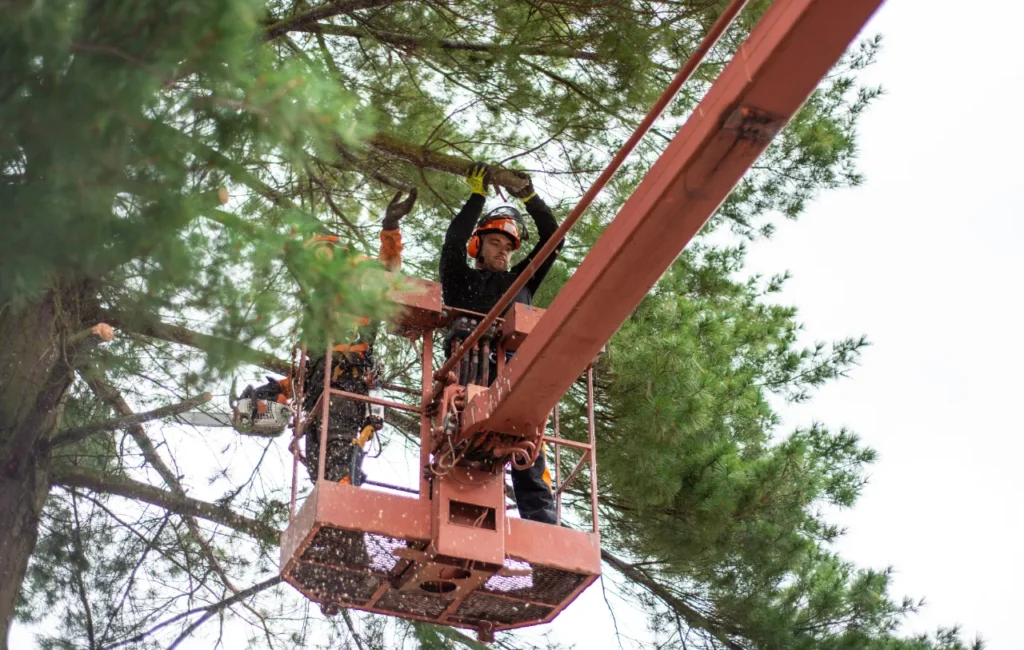
Pull mulch back a few inches from every trunk and shrub stem. You should see the root flare where the trunk widens at the base. If a tree already shows rot there, ask about our tree services before you mulch again.

Best Time to Mulch Beds in Connecticut
Mid to late spring is the main window. Wait until the soil warms and dries a bit, usually late April through May. Mulching cold, soggy soil keeps it cold longer.
A fall refresh works well too. A thin layer after leaf cleanup helps protect roots from hard freezes and heavy wet snow. Late winter is the best time to trim trees, so book pruning before spring mulching.
Plan bed edging at the same visit. A clean edge keeps mulch in place and grass out of your beds. If your beds need new plants or a new layout, our landscaping services cover that before the mulch goes down.