Opens in a new tab

Why Is My Lawn Thin and Patchy in Connecticut?

Find out why your lawn is thin and patchy in Connecticut: shade, compacted soil, grubs, deer and seeding timing. Learn how to fix it and get a free estimate.

  • Common Problems
  • Lawn Seeding
  • 3 min read
  • October 19, 2026

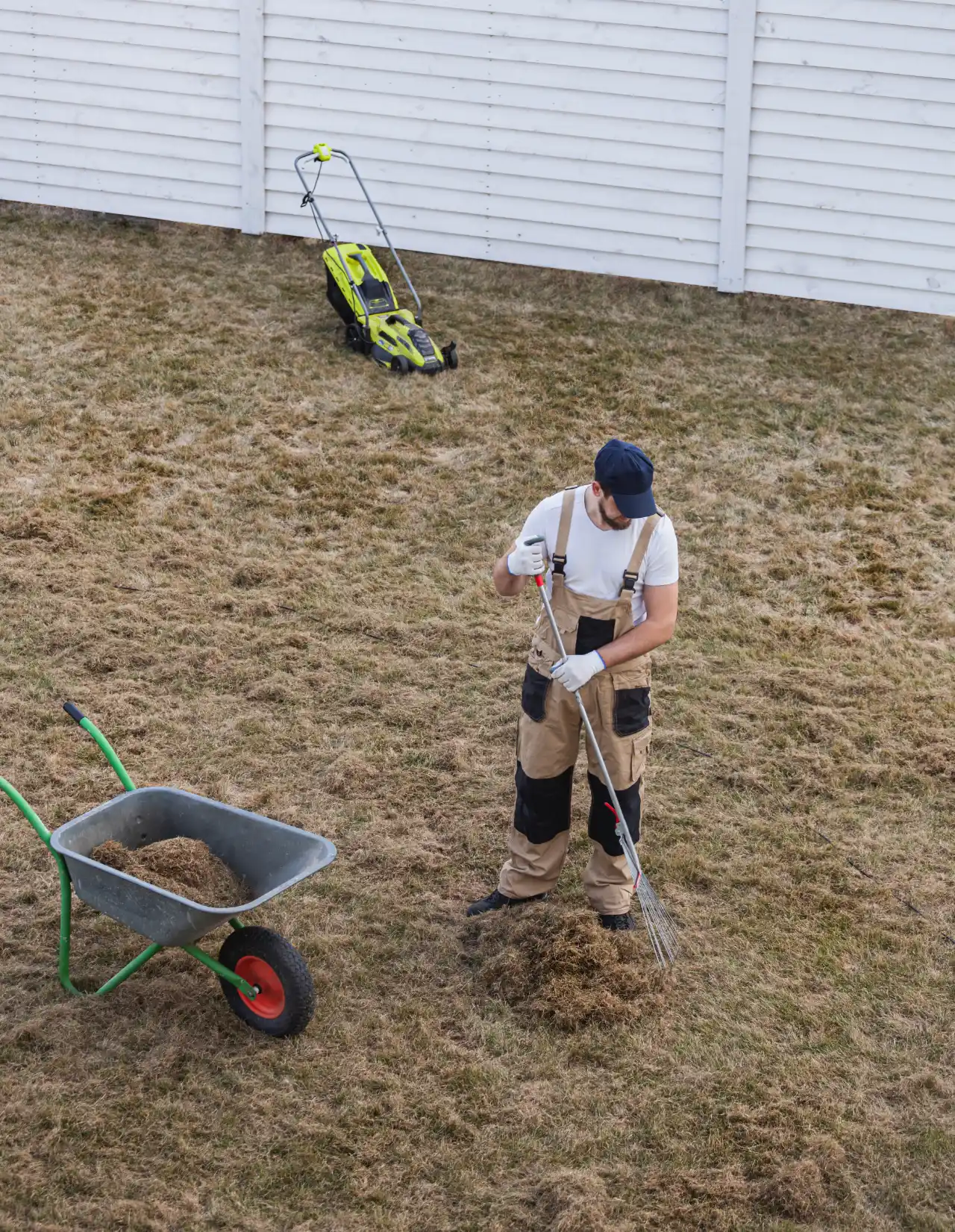
A thin and patchy lawn is one of the most common complaints we hear from Connecticut homeowners. You water it, you mow it, and bare spots still keep coming back every summer. Throwing more seed at the problem usually doesn’t fix it for long.

The cause is rarely just one thing. Our lawns grow cool-season grasses like Kentucky bluegrass, tall fescue and perennial ryegrass. These grasses thrive in spring and fall but struggle through hot, dry stretches in July and August. Weak turf from summer stress is where most bare patches start.

On top of that, a lot of yards here sit on rocky glacial soil or thin topsoil over ledge. Mature trees throw heavy shade, and foot traffic packs the ground hard. Each of these problems needs a different fix. Below, we break down the usual causes and what you can do about each one. We’ll also cover when overseeding or full lawn seeding makes the most sense.

Shade and Tree Roots Competing With Grass

Grass needs sun. Most lawn types want at least four to six hours of direct light a day. Under big maples and oaks, turf slowly thins out no matter how much seed you throw down.

Tree roots also pull water and nutrients away from grass. Maples are especially tough because their roots run shallow and wide.

You have a few options here. Raising the lower limbs lets more light reach the ground. A shade-tolerant fine fescue mix holds up better than bluegrass in those spots. In deep shade, a mulched bed or ground cover often looks better than fighting for grass.

Compacted, Rocky or Poor Soil

Push a screwdriver into the lawn after a good rain. If it won’t go in easily, your soil is likely compacted. Roots can’t spread, water runs off and grass stays thin.

Connecticut soil also tends to be acidic, and new construction often leaves only a thin layer of topsoil over fill. A simple soil test from the UConn soil lab tells you about pH and nutrients.

Core aeration in early fall loosens the ground and opens space for seed. Adding compost or quality topsoil helps in bare areas. Lime may be needed if the test shows low pH. Fixing the soil first keeps new seed from failing the same way.
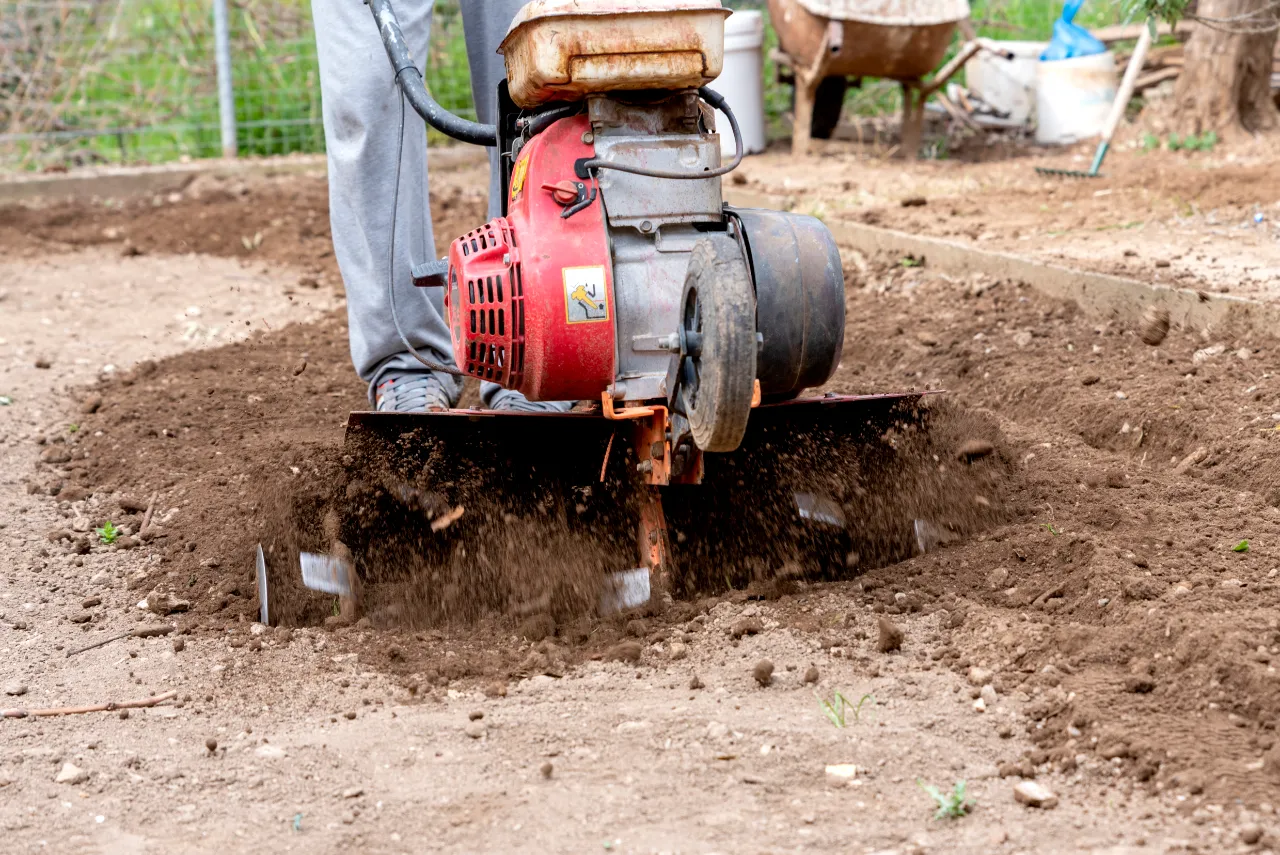
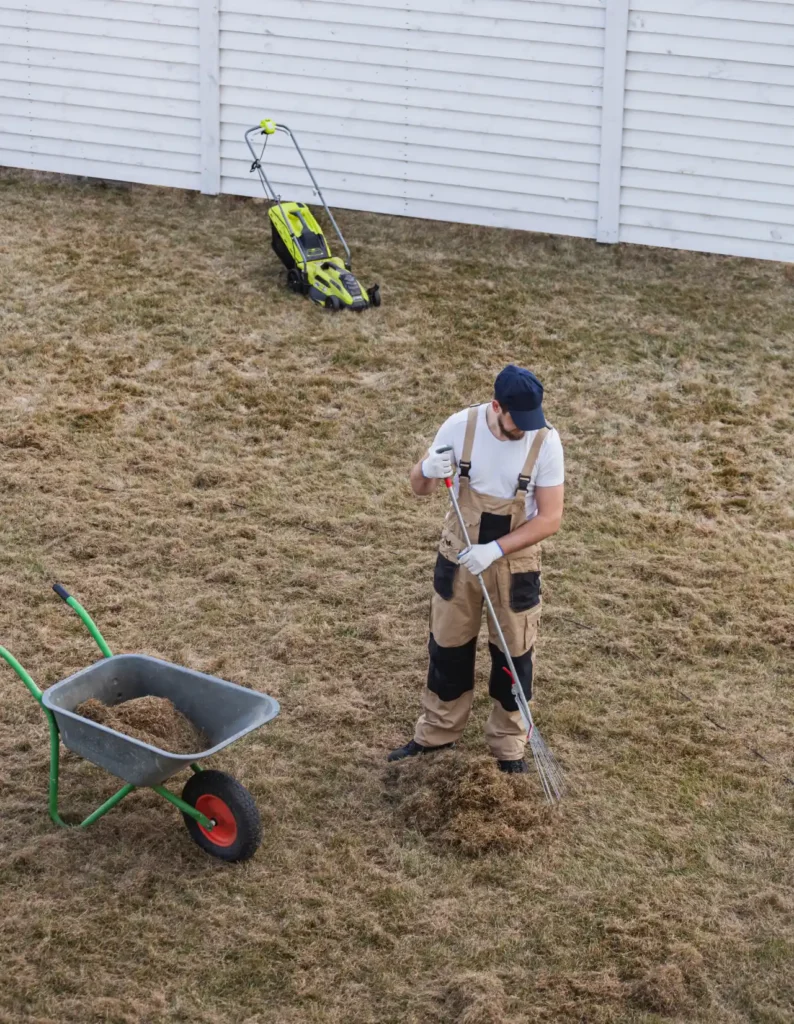
Core aeration plugs on compacted soil before lawn seeding in Connecticut

Grubs, Deer and Summer Stress

If brown patches peel back like carpet, check for white C-shaped grubs under the sod. Skunks and birds digging in the lawn are another clue.

Deer pressure is real in a lot of Connecticut towns. They graze edges, trample new seed and leave urine spots that burn the grass.

Summer heat is the other big one. Cool-season grass goes semi-dormant in dry spells, and weak areas never fully recover. Mowing too short makes it worse. Keep the mower at three inches or higher in summer so the grass shades its own roots. Water deeply once or twice a week instead of a light sprinkle every day.

When to Reseed a Thin Lawn in Connecticut

Timing matters more than most people think. The best window for lawn seeding in Connecticut runs from late August to early October. Soil is still warm, nights cool down and weeds slow down.

Spring is the second choice. Seed sown in April or May has less time to root before summer heat hits.

For best results, we prep the soil, overseed into the existing turf and keep the seedbed moist until germination. If your yard also needs new beds or grading, our landscaping work can handle that at the same visit. Ask us about a free estimate before the fall window closes.
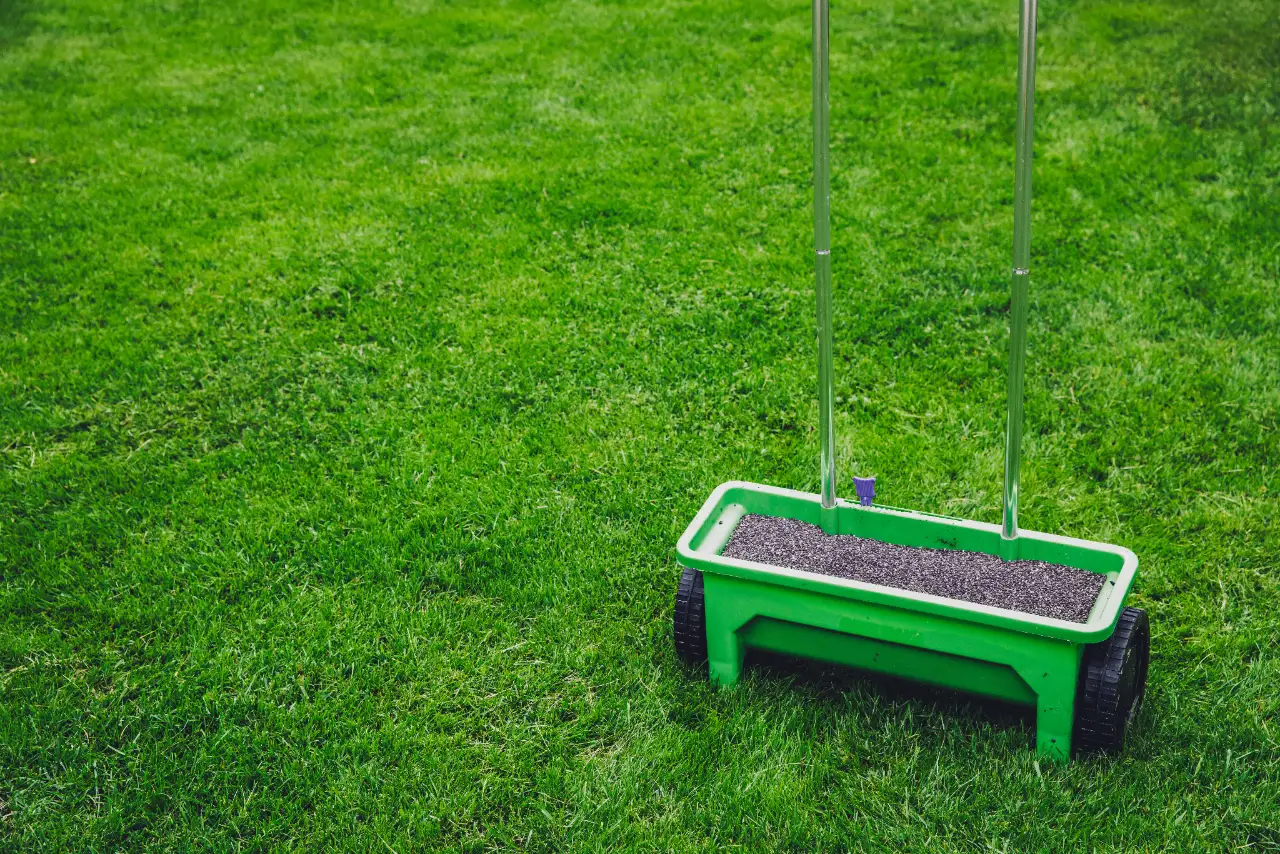
New grass coming in after fall lawn seeding in Connecticut
  • 15 Years of Experience
  • Clear Plan Before Work Starts
  • One Crew, Four Services
  • Local Tree Knowledge
  • Healthy Trees & Lawns
  • Free Estimates
  • Tree Removal
  • Tree Trimming
  • Stump Grinding & Removal
  • Lawn Seeding
WR Landscaping Blog

Browse Our Latest Articles

  • Fresh hardwood mulch in a garden bed at a Connecticut home Homeowner FAQs

    Landscaping 3 min read

    How Often Should You Replace Mulch in Connecticut?

    Homeowners ask us all the time how often they should replace mulch in Connecticut. The short answer is a light top-up once a year. A full replacement usually makes sense every two to three years. Mulch type, sun, and rain all change that timing. Beds under big shade trees often last longer than beds in full sun.

  • Why Is My Lawn Thin and Patchy, and How Do I Fix It | Tree Work Services Common Problems

    Lawn Seeding 3 min read

    Why Is My Lawn Thin and Patchy in Connecticut?

    A thin and patchy lawn is one of the most common complaints we hear from Connecticut homeowners. You water it, you mow it, and bare spots still keep coming back every summer. Throwing more seed at the problem usually doesn't fix it for long.

  • How Do You Know If a Tree Needs to Be Removed | Tree Work Services Common Problems

    Tree Removal 3 min read

    What Are the Signs a Tree Is Dangerous in Connecticut?

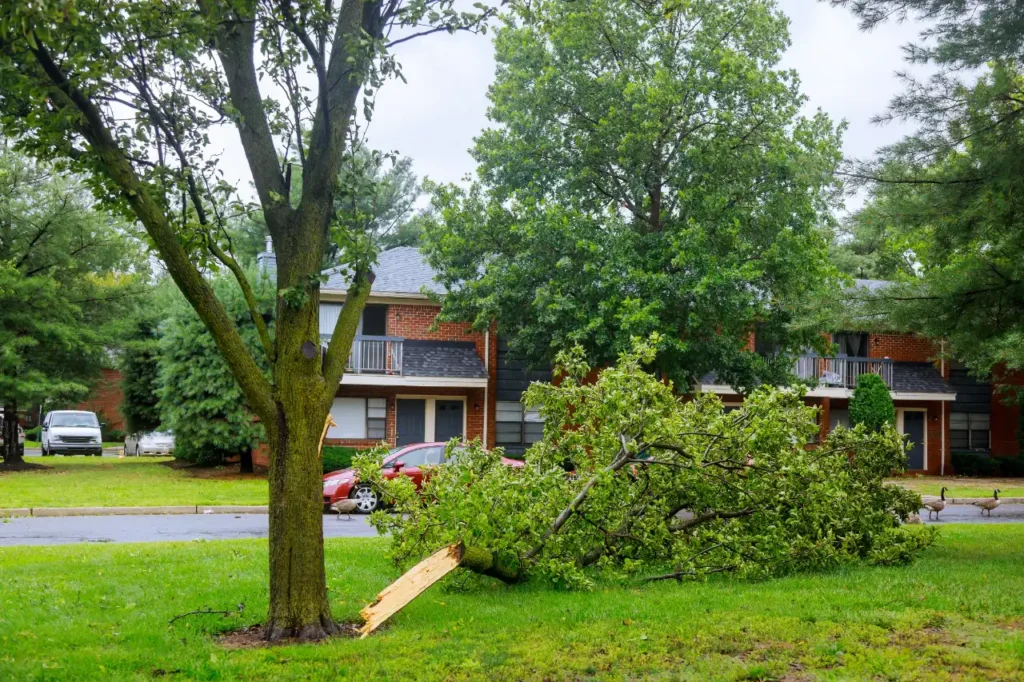
    Most homeowners notice the signs a tree is dangerous only after a storm drops a limb on the driveway. The good news is that a failing tree usually gives you warnings months or years ahead. You just need to know where to look.

  • Stump Grinding vs Stump Removal: Which One Does Your Yard Need | Tree Work Services Decision Guides

    Stump Grinding 3 min read

    Stump Grinding vs Stump Removal: Which Is Right for Your Yard?

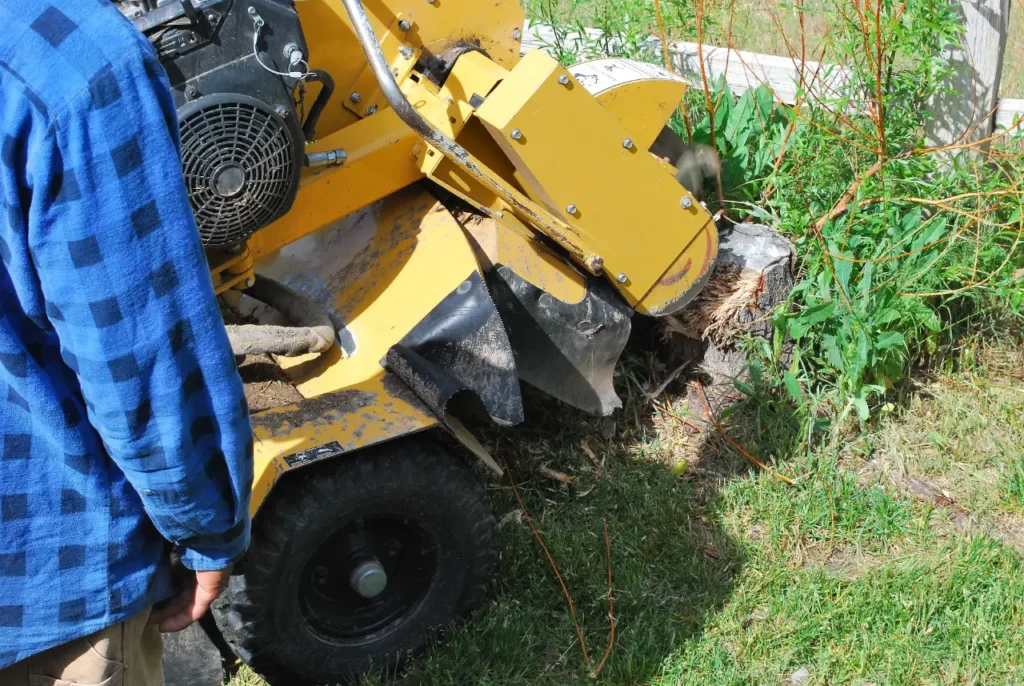
    After a tree comes down, the stump is the last piece to deal with. Most homeowners weigh stump grinding vs stump removal without knowing how different they are. One grinds the stump below ground. The other pulls the stump and its main roots out completely. If the tree is still standing, read our guide on tree trimming vs tree removal first.

  • Bare tree branches in late winter, the best time to trim trees in Connecticut Homeowner FAQs

    Tree Trimming 3 min read

    When Is the Best Time to Trim Trees in Connecticut?

    For most species, the best time to trim trees in Connecticut is late winter, while the tree is still dormant. Think February through early March, before buds open. Cuts made then heal fast once spring growth starts.

Quick Answers

Frequently Asked Questions

Late August to early October is the best time. Warm soil and cool nights help cool-season grass sprout and root before winter. Spring works too, but summer heat can stress young grass.

Seed sitting on hard soil rarely takes. Loosen the soil, add a thin layer of compost or topsoil, then seed and keep it moist. Good seed-to-soil contact is what makes it grow.

Cool-season grasses slow down in heat and drought. Mowing short, shallow watering and compacted soil make summer thinning worse. Mow higher, water deeply and reseed weak areas in early fall.

Fine fescues handle shade better than bluegrass or ryegrass. Even so, grass needs some direct sun each day. In heavy shade, trimming lower limbs or switching to a bed may work better.

Ryegrass can sprout in about a week, while fescue and bluegrass take longer. Keep the top layer of soil moist every day until the new grass fills in and reaches mowing height.